
2
How Fig Newtons Helped Build Anna Maria Island
Anna Maria Island, FL – When you think of Fig Newtons you probably don't associate them with the development of properties on Anna Maria Island – but they hold a chapter in the history of this quaint vacation island. Long before it became a mecca for vacationers from around the world, Anna Maria Island was home to the Caloosan and Timucan Native American tribes. Later, Spanish explorers visited the island, and Tampa mayor, Madison Post, settled there as well. But the island wasn't developed for permanent residence until the late 1800's – that's when Fig Newtons came into play.
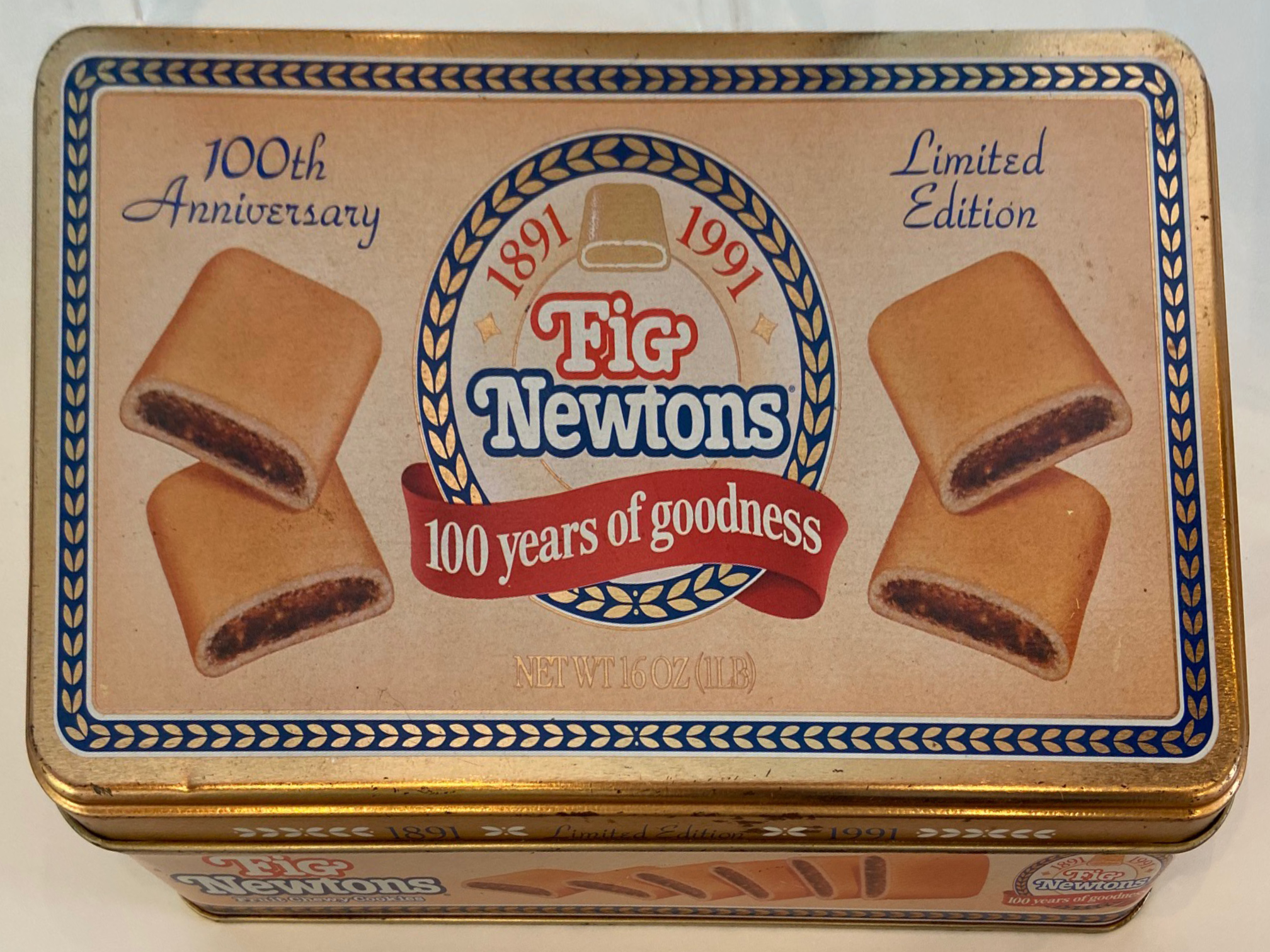
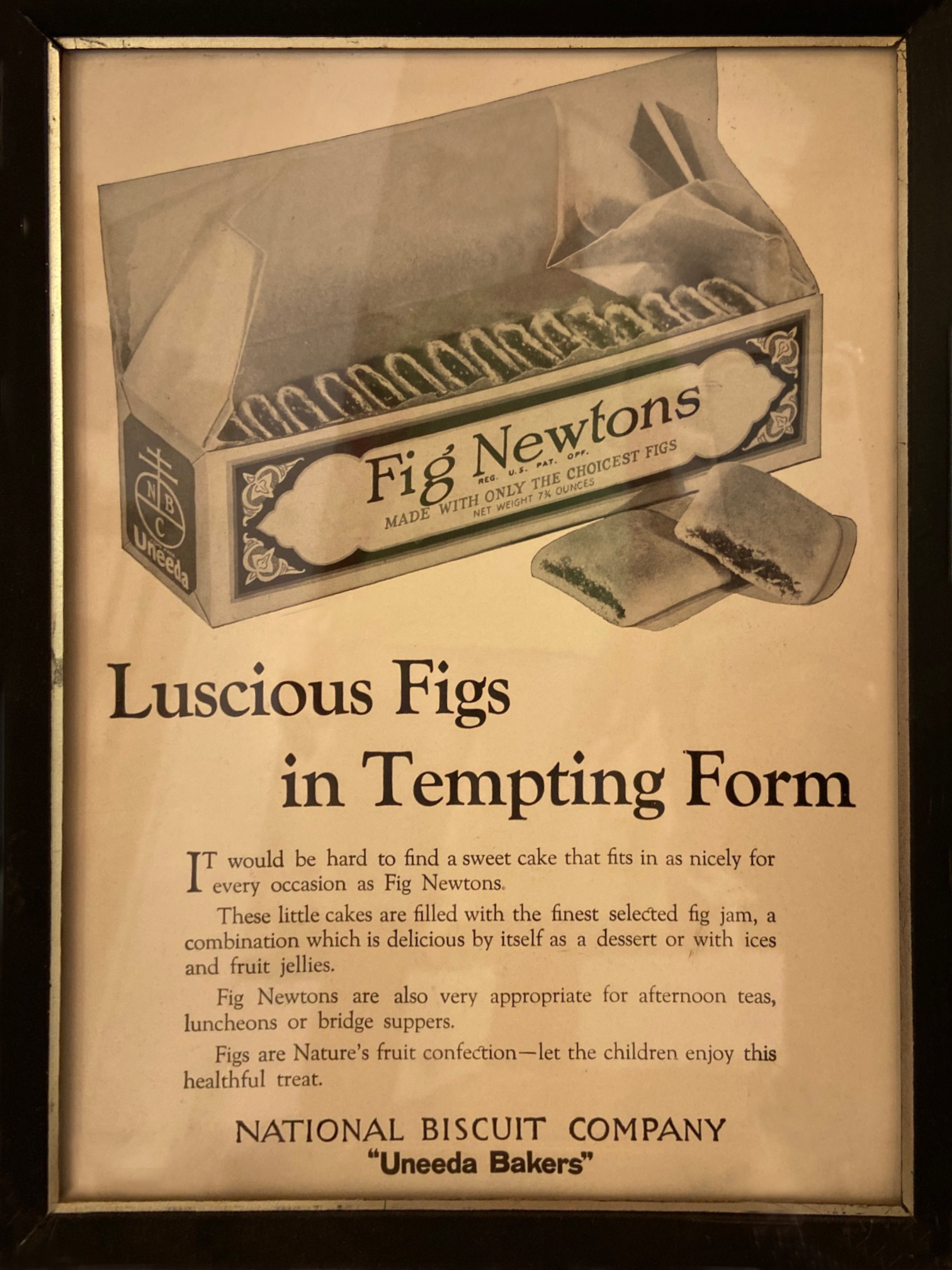
Ohio native Charles Roser was working for a bakery in Philadelphia. Charles developed a fig cookie recipe that became quite popular around town, but it was a challenge to get the fig mixture into the cookie, so he also invented and patented a machine that inserted the fig paste into the cookie, making later mass production possible. Roser's cookie creation was in such demand, both the recipe and the machine were purchased by the Kennedy Biscuit Company (which later became Nabisco). The Boston-based company had a tradition of naming cookies after local towns and named the cookie "Newton" after the nearby town in Massachusetts. In 1891 the company began mass production of Fig Newtons. Between the sale of the recipe and the sale of the patent, Charles Roser became a wealthy man overnight. With his new-found wealth, Roser and his wife moved to St. Petersburg, FL. An entrepreneur at heart, Roser immediately looked for another business venture and soon formed the Anna Maria Beach Development Company in partnership with George 'Wil' Wilhelm Bean.
Wil Bean's father, George Emerson Bean, homesteaded the northern 160 acres of Anna Maria Island in 1892, establishing himself as the island's first permanent resident. Wil inherited his father's Anna Maria Island homestead in 1898 and the area was ripe for development. Roser and Bean created street maps, established sidewalks, and sold home lots. There was no bridge from the mainland, so Roser built a 678-foot pier to provide the ferries a landing spot, and the rest is history. Before long, Anna Maria Island was one of the finest resorts on the west coast of Florida, with pristine beaches, a bathing pavilion, and a water system – which was critical to the success of the island's development. The island soon had 60 homes, a hotel, church, school post office and stores. Today Anna Maria Island is still a place where "old" Florida charm remains the norm. On Anna Maria Island you'll find friendly people, a leisurely pace and flip flops – but you won't find high rises and fast food restaurants.
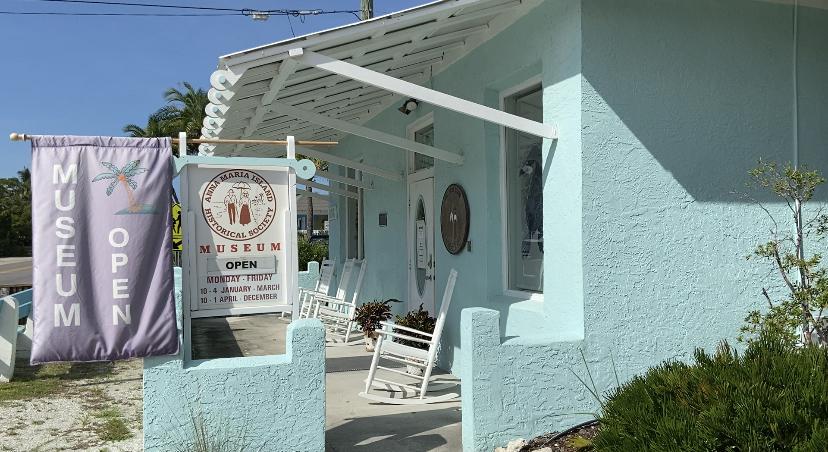
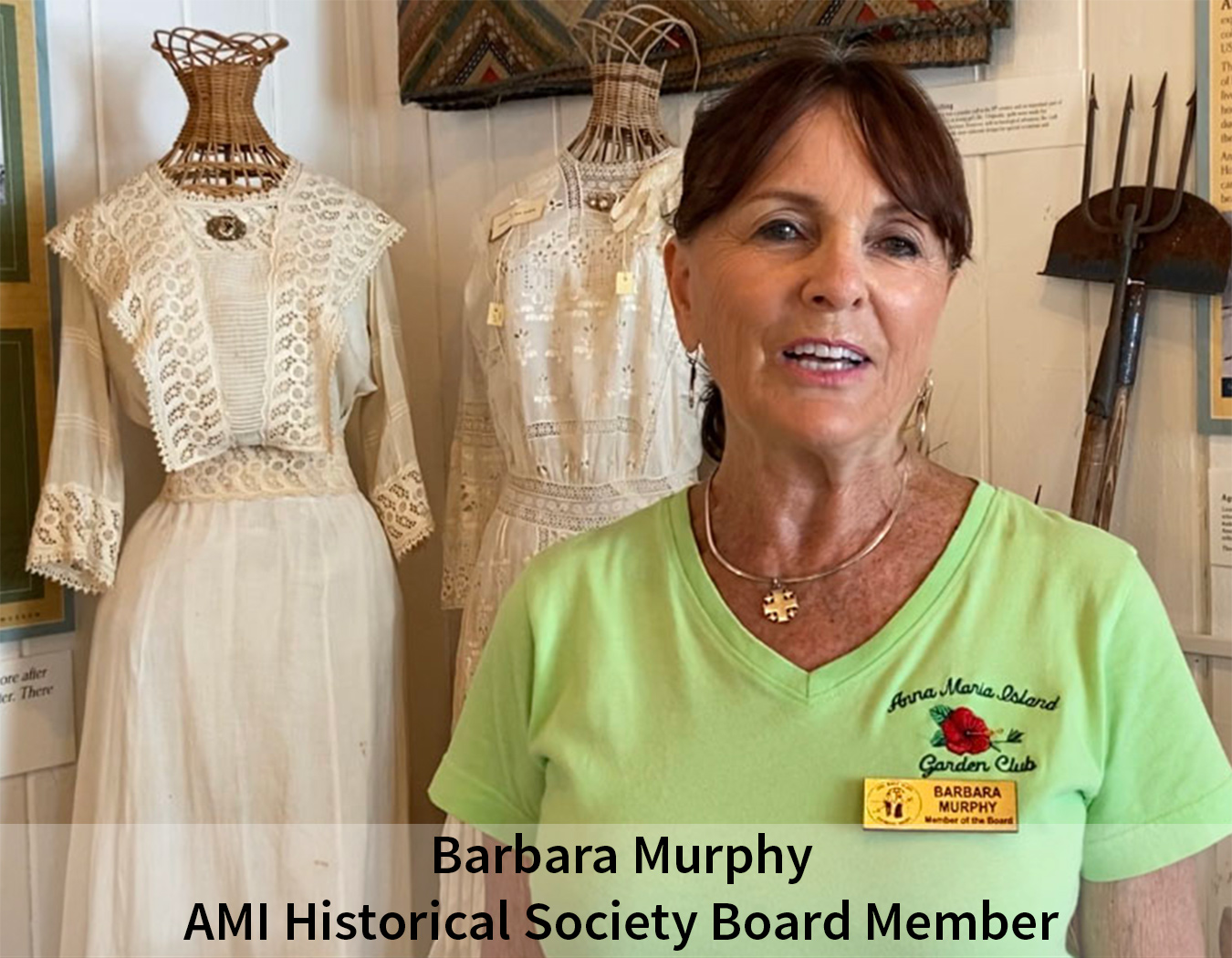
If you'd like to take a step back in time, visit Anna Maria Island. To find a vacation rental, go to www.wagnerrealtyrentals.com. To discover more island history, stop by the Anna Maria Historical Society located at 402 Pine Avenue on the north end of Anna Maria Island. The museum is open on Tuesdays, Thursdays and Fridays from 10 a.m. to 1 p.m. Please note that the museum will be closed during September for floor replacement Occupancy is limited to five visitors at a time. Visitors must wear masks for the safety and health of other visitors and docents. To visit the museum online go to https://www.amihs.org.